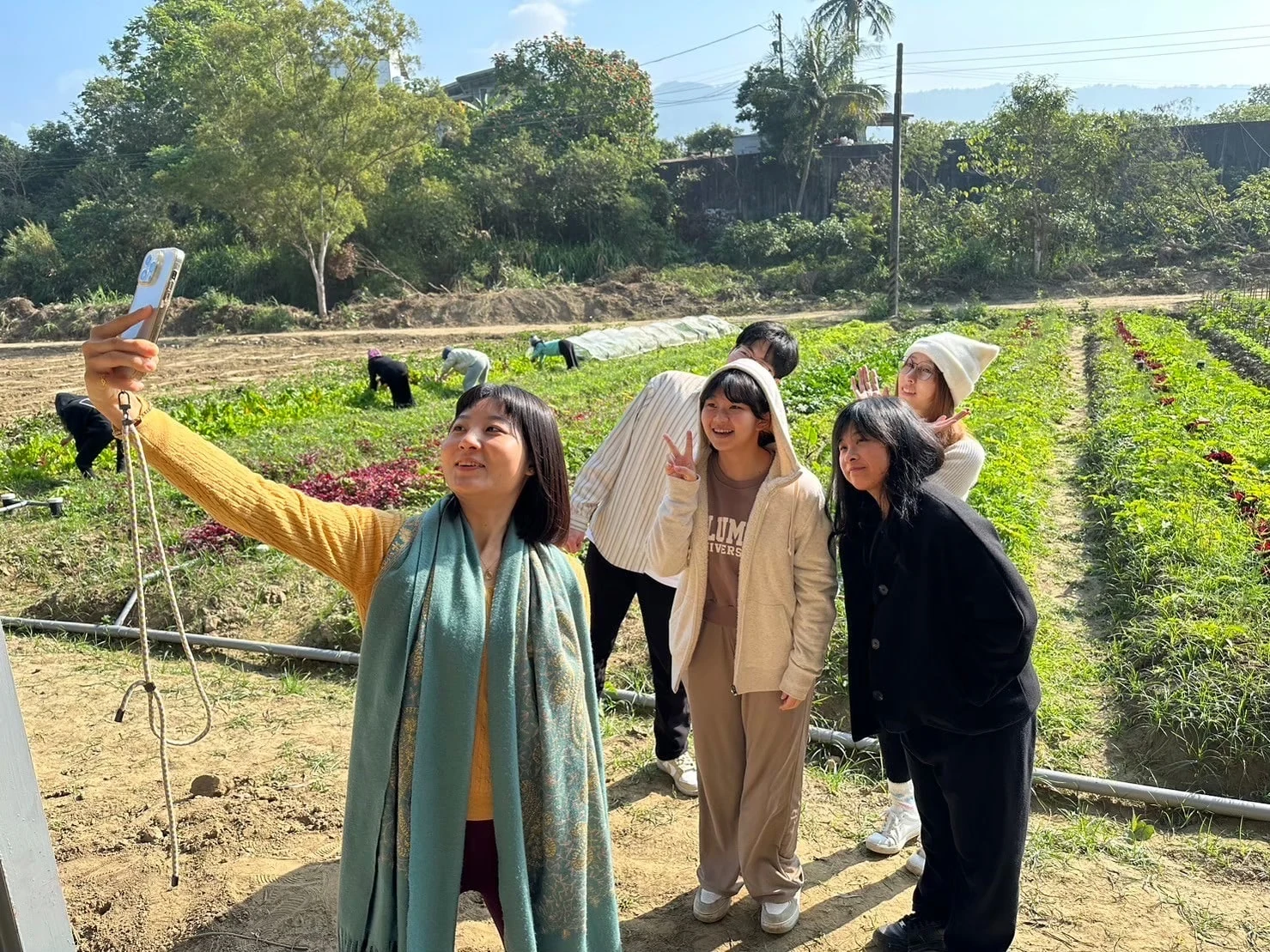
These notes began with volunteer Joyce Lee in 2020–2021. The farm continues to evolve, and each season offers something new to observe and learn.
Select a photograph for the plant’s English and Chinese names, growing conditions, pruning, fertilizing, key management and harvest notes. The practical reference sheets are further down the page.
Follow the plant’s growth and harvest cycle when timing work in southern Taiwan. Use mature compost and suitable organic fertilizers; soil and leaf tests help set nutrient amounts for each plant. Keep mulch away from trunks and clear drainage before heavy rain.
01 / Fruit & orchard
From blossom. To fruit.
A reference collection of tropical fruits and orchard plants.
Open the original tool and pruning sheets to see their full detail.
Farm tools & equipmentA pruning reference
Practical farm reference
Plant care notes. From pruning to harvest.
Browse English and Chinese plant names, growing conditions, pruning, fertilizing, key management, and harvest notes for all 48 entries. Open a plant below, or click its photograph above to read the same notes beside the image. Growing references and photo credits are included with each entry.
Full sun and well-drained soil. Water young plants and during extended dry weather; avoid saturated roots.
Pruning
Tip young shoots to build a low branching framework. After harvest, remove dead and crossing branches and reduce overly tall shoots selectively. Support fruit-heavy branches rather than leaving long weak limbs.
Fertilizing
Top-dress with mature compost and give a fruit-tree feed during active growth. Split applications to match tree size and fruit load; reduce nitrogen if foliage is vigorous but flowering is poor.
Key management
A dwarf cultivar is easier to manage in a small orchard. Inspect for fruit flies and scale, maintain mulch away from the trunk, and remove fallen fruit.
Harvest
Pick full-sized fruit as the green skin begins turning yellow. Allow eating-ripe fruit to soften slightly.
Representative fruit photograph; resized and converted to WebP.
Avocado · 酪梨+
Farm guide · Plant notes
Avocado
酪梨
Persea americana
Family: Lauraceae
Growing conditions
Full sun, shelter and excellent drainage. Water the root zone deeply as needed, allowing air back into the soil; persistent saturation encourages root rot.
Pruning
Build a wide, low framework while young. After harvest, selectively reduce upper limbs and remove dead or rubbing wood. Preserve productive lower branches and avoid exposing the trunk abruptly to strong sun.
Fertilizing
Use small, split feeds during active growth. Bearing trees need adequate potassium and magnesium without excessive nitrogen or phosphorus. Apply compost and adjust nutrients to soil or leaf analysis; diagnose chlorosis before treatment.
Key management
Choose a grafted cultivar and consider a compatible flowering type if fruit set is poor. Keep mulch clear of the trunk, protect roots from digging and monitor fruit damage. Bag healthy young fruit where local pest pressure warrants it.
Harvest
Fruit ripens after picking. Test one mature fruit indoors; if it softens normally, harvest more of that crop.
A warm sunny site with fertile, moist but well-drained soil. Provide wind shelter and consistent water; drought and prolonged waterlogging both reduce production.
Pruning
Manage each mat with a fruiting mother stem, a strong replacement and a smaller successor. Remove excess suckers and dead or damaged leaves. Cut down the spent pseudostem after harvest; each stem fruits once.
Fertilizing
Bananas are heavy feeders, particularly for nitrogen and potassium. Add compost and give frequent small feeds while growing, including adequate magnesium. Increase support as plants and bunches enlarge; use soil tests and label rates.
Key management
Keep healthy leaves, prop heavy bunches and use clean planting material. Inspect for leaf disease and weevils. Keep drainage open in the rainy season and remove severely diseased material.
Harvest
Harvest when fruit is plump and the sharp ridges round out, using the cultivar’s maturity cues. Support the bunch while cutting.
Full sun, warm shelter and well-drained soil. Keep water consistent during flowering and fruit development without flooding the roots.
Pruning
Shape young plants into a manageable open shrub or small tree. Lightly thin crossing growth after a crop and remove dead wood. Avoid severe shearing of the outer flowering canopy.
Fertilizing
Apply compost and a balanced fruit-tree feed in small doses during active growth. Adjust feeding to the plant’s vigor; excess nitrogen encourages leafy growth.
Key management
Inspect for fruit flies, scale and root-knot problems where plants decline. Collect fallen fruit and preserve pollinating insects. This acerola is a different fruit from Brazil / Surinam cherry.
Harvest
Pick fully colored ripe fruit frequently; it is delicate and deteriorates quickly. Cool it promptly.
Full sun, warm shelter and well-drained soil. Water young trees and during long dry spells; established trees need less frequent irrigation.
Pruning
Train low branches while young. Once warm growth resumes, selectively thin the upper canopy and remove dead or crossing wood. Severe pruning can reduce cropping for several seasons.
Fertilizing
Feed moderately with compost and small, split fruit-tree applications. Match nutrient inputs to vigor and crop load; black sapote is not a demanding feeder.
Key management
Some cultivars need another compatible flowering tree for good set. Watch fruit flies and scale, maintain drainage, and keep mulch off the trunk.
Harvest
Pick mature fruit when the calyx lifts and the skin loses its bright-green appearance. Ripen until very soft; the flesh darkens as it becomes eating-ripe.
Representative fruit photograph; resized and converted to WebP.
Brazil cherry · 巴西櫻桃+
Farm guide · Plant notes
Brazil cherry
巴西櫻桃
Eugenia uniflora
Family: Myrtaceae
Identification
Brazil cherry here means Surinam cherry / pitanga, recognized by its ribbed fruit. It is distinct from Barbados cherry, grumichama and jabuticaba.
Growing conditions
Full sun, consistently moist soil and good drainage. Mulch the root zone without burying the stem, and water during dry periods so flowers and developing fruit do not dry out.
Pruning
Keep pruning light: remove dead, rubbing or badly placed branches after a crop. Avoid frequent hedge-style shearing if fruit is the goal; unpruned leafy branches generally crop better.
Fertilizing
Apply a balanced feed in small, split doses during active growth, with compost to improve the soil. Up to four modest applications can suit an actively growing plant; adjust to its size, soil fertility and the product label.
Key management
Inspect fruit and foliage for fruit flies and scale. Collect fallen fruit, and remove volunteer seedlings where they are unwanted. Bird protection may be needed. Choose a good-flavored cultivar rather than relying on seedling quality.
Harvest
Pick very ripe, soft fruit at its cultivar’s final deep-red or dark-purple color. Under-ripe fruit can taste resinous; discard the seeds.
Representative fruit photograph; resized and converted to WebP.
Coconut · 椰子+
Farm guide · Plant notes
Coconut
椰子
Cocos nucifera
Family: Arecaceae
Growing conditions
Full sun and warm conditions. Water new palms regularly; avoid stagnant water, compacted ground and damage around the trunk.
Pruning
Remove only fully dead fronds and hazardous fruit stalks as needed. Keep green fronds, even if their tips are untidy. Never cut the central growing bud or give a palm a severe “hurricane cut”.
Fertilizing
Use palm-appropriate nutrition guided by soil and leaf condition, especially potassium and magnesium balance. Split applications across active growth, with compost as a soil amendment; nitrogen alone will not correct palm deficiencies.
Key management
Falling nuts and fronds are a serious orchard hazard: manage harvest and pedestrian access. Use trained personnel for climbing or overhead work and inspect after typhoons.
Harvest
Harvest stage depends on use: younger nuts for water, mature brown nuts for flesh. Do not stand beneath a harvesting palm.
Full sun and well-drained soil. Mulch and regular establishment watering help; avoid a permanently wet root zone.
Pruning
Allow a new tree to establish first, then train evenly spaced branches. Selectively reduce upright growth to keep picking accessible, usually around 3–4 m, while retaining productive lower wood.
Fertilizing
Use small, split feeds during active growth. Bearing trees need potassium and magnesium as well as nitrogen. Soil pH can affect iron availability; test before adding corrective nutrients.
Key management
Bag healthy young fruit where fruit flies are troublesome, remove fallen fruit and check scale. Canistel is distinct from abiu (Pouteria caimito).
Harvest
Pick mature fruit when the skin turns yellow, then allow it to soften fully indoors before eating.
Full sun, well-drained soil and even moisture during fruit growth. Keep the canopy low enough for frequent inspection and picking.
Pruning
Select strong scaffold branches and remove water shoots or crowded growth. Prune after a crop to stimulate the new shoots that carry flowers; avoid cutting every branch at once if a continuous supply is wanted.
Fertilizing
Feed after pruning and through fruit development with moderate nitrogen and adequate potassium. Add compost, and set amounts by tree size, soil fertility and crop load.
Key management
Thin crowded or damaged fruit. Bag clean, healthy young fruit before fruit-fly damage develops, using bags that drain and ventilate. Check for mealybugs and ants first; remove fallen fruit.
Harvest
White-fleshed crisp cultivars are commonly picked full-sized and light green. Pink types for soft eating can be picked as the rind lightens toward yellow.
Full sun and well-drained soil. Established trees tolerate dry periods, but new trees and developing fruit benefit from regular moisture.
Pruning
Train a strong trunk and well-spaced scaffold branches. Remove suckers, dead wood and crossing shoots; avoid heavy removal of the small fruiting branchlets.
Fertilizing
Apply compost and a measured fruit-tree feed before active growth, with follow-up feeding where crop load warrants it. Adjust nitrogen, potassium and micronutrients to soil or leaf tests.
Key management
Use a named grafted cultivar and a compatible pollen source when required. Inspect for fruit borers and rust or other leaf disease, and remove damaged fallen fruit.
Harvest
Harvest firm, full-sized fruit at the cultivar’s mature color. Avoid tearing the fine fruiting shoots.
Sun to light shade, reliably moist but well-drained soil, and preferably a slightly acidic root zone. Do not let young trees dry out.
Pruning
Prune lightly. Remove root suckers if a single trunk is wanted, plus dead or crossing twigs. Preserve the trunk and mature branches: flowers and fruit develop directly on this older wood.
Fertilizing
Use low-dose, slow-release or organic feeding in split applications; jabuticaba is sensitive to salt buildup and nitrogen burn. Check soil pH and iron availability if new leaves become pale.
Key management
Maintain an even moisture supply during bloom and fruit growth, keep mulch clear of the trunk, and avoid deep cultivation over fine roots. Seedlings can take years to crop.
Harvest
Pick fully colored, slightly yielding fruit without scraping the fruiting bark. Eat or cool promptly; remove fallen fruit that stains paths.
Full sun, a warm site and well-drained soil with room for the canopy. Water young trees regularly and mature trees in prolonged dry weather.
Pruning
Encourage a compact branching framework after establishment. At the end of harvest, remove vigorous upright shoots, weak old flowering shoots and selected crowded limbs. Keep productive trunk and major branches.
Fertilizing
Use compost and small feeds through active growth. For bearing trees, split nutrition from flowering through the period just after harvest and pruning, with amounts adjusted to crop load.
Key management
Limit heavy fruit loads on young trees and weak limbs. Inspect fruit rot and borers, remove diseased fruit and plan safe handling of very heavy fruit. Cut stems exude sticky latex.
Harvest
Mature fruit develops a stronger aroma, wider flatter spines and a cultivar-specific color change. Clip and support it; never let it fall.
These notes cover the large fresh green Indian jujube commonly grown in Taiwan. Chinese/red jujube (Ziziphus jujuba) is a different species; palm dates are different again.
Growing conditions
Full sun, a warm site and excellent drainage. Use raised ground where heavy rain causes ponding. Provide regular moisture while fruit enlarges, and protect the new canopy from strong winds.
Pruning
After the winter harvest, renew the fruiting framework under local guidance: Indian jujube crops on new-season shoots. Select and tie strong replacement branches, then remove crowded, weak and damaged growth. Do not copy this annual renewal system onto Chinese jujube.
Fertilizing
Feed for regrowth after pruning, then reduce nitrogen and increase potassium’s relative share as fruit develops, following soil and leaf analysis. Compost and managed groundcover help retain nutrients. Avoid fertilizing waterlogged or damaged roots.
Key management
Thin crowded fruit, support the fruiting branches and use ventilated fruit bags or netting against fruit flies. Monitor powdery mildew and anthracnose, especially in humid weather. Maintain drainage before typhoons and remove diseased fallen fruit.
Harvest
Pick at the cultivar’s mature green to pale-green/yellow stage, when crisp and sweet. Handle gently.
Representative fruit photograph; resized and converted to WebP.
Lemon · 檸檬+
Farm guide · Plant notes
Lemon
檸檬
Citrus × limon
Family: Rutaceae
Growing conditions
Full sun and freely draining soil. Keep moisture even during growth and fruit set, while allowing soil aeration between irrigations.
Pruning
Remove rootstock suckers, dead wood and crowded water shoots. Shape lightly after a major crop; keep useful outer fruiting branches. Heavy pruning reduces yield.
Fertilizing
Split a citrus feed over active growth, with compost to improve soil condition. Supply potassium, magnesium and micronutrients as tests indicate; excess nitrogen promotes lush growth at the expense of fruit.
Key management
Inspect new flush for leafminer, aphids and psyllids, and check scale on stems. Keep the graft visible, mulch away from the trunk and monitor persistent yellowing or root decline.
Harvest
Pick full-sized fruit with good juice content at the maturity appropriate to the cultivar. Clip without damaging neighboring flowers or fruit.
Full sun and well-drained soil, with regular moisture during establishment and fruit growth. Choose a proven fruiting cultivar; long-fruited selections differ in color, season and growth habit.
Pruning
Train a low, well-spaced framework. After the main harvest, thin crossing shoots and shorten excessively long growth. For repeat-cropping cultivars, check for developing flowers before cutting; avoid repeated severe pollarding.
Fertilizing
Add mature compost after harvest or before the next growth flush. Use modest, split feeding according to vigor and soil tests; too much nitrogen produces long leafy shoots rather than a balanced crop.
Key management
Support long fruiting branches, keep the root zone mulched, and protect ripening fruit from birds with taut, well-maintained netting. Remove fallen fruit and check for scale and mealybugs. Propagate the chosen cultivar by suitable cuttings or grafting to retain its traits.
Harvest
Pick at the cultivar’s fully ripe color, when fruit is soft and releases easily. The elongated berries bruise quickly; collect in shallow trays and cool promptly.
Representative fruit photograph; resized and converted to WebP.
Longan · 龍眼+
Farm guide · Plant notes
Longan
龍眼
Dimocarpus longan
Family: Sapindaceae
Growing conditions
Full sun, well-drained soil and wind shelter. Water young trees and developing fruit; do not confuse an established tree’s seasonal rest with neglect of a newly planted tree.
Pruning
Prune soon after harvest: shorten overlong fruiting shoots, thin crowded upright branches and retain a balanced low canopy. Let the new shoots mature before the next flowering period.
Fertilizing
Feed to support post-harvest recovery, then use measured split applications through flowering and fruit growth. Avoid excessive nitrogen that maintains vegetative flushing instead of mature flowering wood.
Key management
Maintain pollinator activity, watch fruit borers and scale, and support heavily loaded branches. Monitor drainage and wind damage around typhoons.
Harvest
Taste-test fruit on the tree. Clip entire clusters when mature and sweet; fruit will not become sweeter after picking. Shade and cool promptly.
Full sun, wind shelter and well-drained soil. Keep water available during fruit enlargement; seasonal cool conditions help established trees form flowers.
Pruning
Prune immediately after harvest so replacement shoots can mature before the cool flowering season. Thin selected tall and crowded limbs, keeping productive lower branches. Avoid late, heavy pruning.
Fertilizing
Feed after harvest and during the next crop’s development, guided by soil and leaf analysis. For bearing trees, avoid nitrogen-heavy feeding in the pre-flowering cool period, which can encourage leafy flushes and suppress flowering.
Key management
Protect pollinators, inspect fruit borers and mites, and use fruit bags or suitable netting where needed. Maintain even moisture to reduce fruit stress and cracking.
Harvest
Clip fully colored, plump, sweet clusters. Immature fruit does not improve in sweetness after picking; cool promptly.
Full sun and good air movement, with well-drained soil. Water young trees and during fruit development; avoid wetting flowers and leaves unnecessarily.
Pruning
After harvest, tip and selectively thin crowded shoots to keep a low open canopy. Allow the new flush to mature before flowering. Remove diseased or dead wood without stripping all productive terminals.
Fertilizing
Give moderate nitrogen for recovery after harvest, with balanced potassium and magnesium through crop development. Mature trees often need little nitrogen; excessive feeding encourages foliage instead of flowers.
Key management
Watch anthracnose and powdery mildew in wet flowering weather. Remove damaged fruit, improve canopy ventilation and bag healthy young fruit where fruit flies are a concern. Support heavy limbs.
Harvest
Use the cultivar’s maturity cues, not blush color alone. Pick carefully with a short stem and protect fruit from irritating sap.
Full sun, well-drained soil and enough root and canopy space. Water consistently during establishment and fruit enlargement.
Pruning
Train a low fruiting framework. Renew crowded or weak growth after the main crop, preserving shoots needed for the following season. Pruning timing and severity depend on the cultivar and harvest cycle.
Fertilizing
Apply compost before budbreak or after harvest and pruning. Use modest additional feeding based on vigor and soil fertility; avoid nitrogen-heavy growth that makes the canopy dense.
Key management
Plant a reliable fruiting selection rather than an unidentified seedling. Inspect for scale, support crop-laden branches, and protect ripening berries from birds with properly secured netting.
Harvest
Pick at the cultivar’s fully ripe color when fruit releases easily. Harvest frequently in shallow containers and cool promptly.
A warm sunny site with room for a large tree and well-drained soil. Keep new plantings watered until rooted; protect soil from compaction.
Pruning
Establish a sound trunk and spaced scaffold branches while young. For an established tree, use conservative removal of dead, rubbing or damaged limbs rather than repeated topping.
Fertilizing
Compost and mulch can improve the young root zone. Use extra feed only when vigor or soil testing shows a need; a fixed heavy orchard dose is not appropriate for every mature tree.
Key management
Maintain safe harvest access and inspect storm-damaged branches. This is Terminalia chebula, not the unrelated myrobalan plum; confirm identification before collecting fruit.
Harvest
Collect mature fruit according to its intended use. Keep fallen fruit clean and dry; do not damage productive branches to reach it.
A warm sunny to partly shaded site. Well-drained soil is preferable for an orchard; consistent watering improves establishment and crop growth.
Pruning
Train a low framework for easy picking. Shorten excessively tall shoots and thin crowded or damaged growth as needed; manage regrowth instead of allowing a dense inaccessible crown.
Fertilizing
Give compost and small, split nutrient applications during active growth. Increase support gradually with plant size and crop load, and check leaf symptoms or soil tests before corrective feeding.
Key management
Use healthy plants, control weeds around young trees and monitor scale, mites and stem cankers. Keep the canopy ventilated and collect over-ripe fallen fruit.
Harvest
Pick at the maturity needed for use, generally as green fruit becomes pale or translucent and starts to soften. Handle and clean promptly.
Full sun, warm shelter and exceptionally good drainage. Water regularly during growth but prevent standing water around the stem and roots.
Pruning
Do not routinely top the main growing point. Remove dead leaves and unwanted side shoots; if the main stem is damaged, keep and support only a few strong replacements.
Fertilizing
Papaya benefits from frequent small feeds during continuous growth and cropping. Supply balanced nitrogen, potassium and magnesium with compost; scale rates to plant size and avoid concentrated fertilizer against the stem.
Key management
Choose known productive material; flower sex affects fruiting. Inspect for virus symptoms, fruit flies and root or stem rot. Support vulnerable plants against wind and remove diseased fruit.
Harvest
Pick mature fruit as its skin begins changing to yellow, then ripen indoors. Keep fruit dry and avoid bruising.
These notes cover non-astringent Japanese persimmons (甜柿). Check the tree’s cultivar label: astringent varieties require different handling before eating.
Growing conditions
Full sun, fertile well-drained soil and wind shelter. Choose a low-chill, non-astringent cultivar suited to the site. Very warm lowlands may have irregular budbreak or poorer cropping when winter chilling is insufficient.
Pruning
Train a modified central leader with wide, well-spaced branches. During winter dormancy, remove crossing and crowded wood lightly. Retain some one-year branch tips: fruiting shoots arise from their buds. Heavy pruning is usually unnecessary.
Fertilizing
Use modest, split feeds around late dormancy and active growth, guided by soil tests. Avoid large quick-release nitrogen doses, which can promote fruit drop. Check magnesium and micronutrient balance rather than adding more potassium indiscriminately.
Key management
Thin after the first natural fruit drop, leaving approximately 15 cm between fruit where crop load is heavy. Support heavily laden limbs and keep watering even. Verify the cultivar: an astringent persimmon requires different ripeness handling.
Harvest
Clip non-astringent fruit when fully colored and mature; it can remain firm. Keep the calyx attached and avoid bruising.
A warm sunny site with enough space for a large tree. Well-drained soil and regular establishment watering support a strong root system.
Pruning
Train a clear, balanced framework while young. Remove dead, damaged and rubbing branches in dry weather; use selective thinning rather than repeatedly topping a mature tree.
Fertilizing
Compost and mulch support young trees. Established trees usually need only modest additional feeding if growth or soil tests indicate a deficiency.
Key management
Inspect branches after storms, protect the root zone and keep collection areas clear. Plan harvest access from the ground; heavy overhead work needs trained tree-care staff.
Harvest
Collect mature seeds as the red pods open. Use properly identified seeds and cook them before eating; this is not a fleshy table fruit.
Full sun and freely draining soil. Water during dry periods but keep the root zone and growing center from remaining saturated.
Pruning
Remove dead leaves and weak or excess suckers carefully. Retain a strong successor if growing a ratoon crop; do not cut the central growing point or strip healthy leaves.
Fertilizing
Feed moderately in small applications during vegetative growth, with adequate nitrogen and potassium. Use compost as a soil amendment and avoid concentrated salts against the shallow roots.
Key management
Use healthy crowns, slips or suckers. Watch mealybugs and associated ants, weeds and heart rot. Give plants enough space and do not leave infected planting material in the bed.
Harvest
Pick when fruit is mature, using cultivar-specific eye flattening, aroma and color cues. Pineapple does not gain sweetness after harvest.
Choose a warm, humid, sheltered, frost-free position with moist, well-drained soil. Young plants need protection from cold and drying winds. Southern Taiwan’s cooler winter can limit growth and reliable fruiting.
Pruning
After harvest, shorten fruiting terminals and strong leaders by about 30–50 cm where needed. Thin weak inward shoots and remove branches touching the ground. Preserve enough leafy canopy for recovery.
Fertilizing
Apply compost plus small, split nutrient applications matched to growth and fruit development. Nitrogen and potassium are particularly important. Rambutan is sensitive to chloride: choose a suitable low-chloride feed and use soil and leaf analyses to set rates.
Key management
Choose a named productive grafted or air-layered plant; seedlings can be male or unpredictable. Maintain moisture during fruit growth, support pollinating insects, and inspect for ants, scale and mealybugs. Use securely installed fruit-protection netting where needed.
Harvest
Clip ripe, colored clusters instead of pulling them. Fruit does not gain sweetness after picking; shade and cool it promptly.
These notes cover red-fleshed sweet oranges. Internal color, harvest season and suitability for the site depend on the cultivar; check the tree’s nursery label.
Growing conditions
Full sun and freely draining soil. Keep moisture reasonably even during flowering and fruit enlargement. Red-fleshed sweet oranges include different cultivars; internal color and harvest season depend on the variety and climate.
Pruning
Prune lightly after the main crop: remove dead or crossing wood and shoots below the graft. Keep a leafy, balanced canopy. Repeated heavy shearing removes productive wood and reduces cropping.
Fertilizing
Split a citrus-appropriate feed through active growth rather than applying one large dose. Supply nitrogen, potassium and magnesium according to soil or leaf tests. Spread beneath the canopy, away from the trunk, and avoid excessive nitrogen.
Key management
Use healthy grafted stock with a recorded cultivar and suitable rootstock. Inspect new flush for psyllids, leafminer and scale. Persistent blotchy yellowing or misshapen fruit needs local crop-disease assessment. Prevent standing water around roots.
Harvest
Taste-test mature fruit before picking; rind color alone is unreliable. Clip or twist carefully without tearing the branch.
Full sun, wind protection and well-drained soil with reliable moisture. Drying roots or saline water can reduce growth and fruit quality.
Pruning
Tip young long shoots to encourage branching. Selectively shorten tall or crowded growth to keep the tree around picking height; retain established flowering wood, which can flower repeatedly.
Fertilizing
Use small, split fruit-tree feeds during growth and cropping. High-pH soils can cause iron and other micronutrient shortages; diagnose and correct the soil or nutrient problem rather than simply adding nitrogen.
Key management
Some cultivars benefit from another compatible flowering variety. Inspect fruit flies, bag healthy young fruit where necessary, remove fallen fruit and maintain steady moisture.
Harvest
Pick full-sized fruit as it changes from green to the desired yellow stage for the cultivar. Handle gently to avoid bruising the ridges.
Full sun, a warm site and well-drained soil. Water young trees regularly; established trees tolerate dry weather better.
Pruning
Train strong, well-spaced branches while young. Thin dead or rubbing wood and manage excessive spread selectively after harvest, rather than repeatedly topping the whole crown.
Fertilizing
Use compost to support establishment. Mature vigorous trees generally need modest extra feeding only where soil tests or crop load show a need; avoid unnecessary nitrogen-heavy applications.
Key management
Allow room for the mature tree, maintain safe harvest access, and inspect branches after storms. Collect dropped pods and check for insects or mould before storage.
Harvest
Harvest when pods are mature and the shell becomes brown and brittle. Dry and store cleanly for pulp use.
Full sun, warm shelter and a well-managed root zone. Keep water reasonably even during fruit growth, while maintaining drainage through heavy rain.
Pruning
After harvest, renew the canopy selectively and remove weak, shaded or excessively vigorous shoots. During flowering, thin competing water shoots carefully without damaging flower clusters or removing every leafy branch.
Fertilizing
Feed for recovery and the following crop using soil and leaf tests. Match nitrogen and potassium to the growth stage: excessive nitrogen encourages new shoots that compete with developing flowers and fruit.
Key management
Thin crowded fruit clusters, bag healthy young fruit against fruit flies, and remove damaged or diseased fruit. Maintain ventilation and groundcover; manage the tree’s natural cycle rather than using flooding or bark injury to force a crop.
Harvest
Pick at full size and the cultivar’s mature color and crispness. Clip clusters gently; the thin skin marks easily.
Full sun, a warm subtropical site and well-drained soil. Water young trees regularly; established trees need extra water mainly in prolonged dry spells. A cool or dry rest can encourage flowering.
Pruning
Train well-spaced scaffold branches while young. Soon after harvest, selectively shorten upper limbs to maintain an accessible canopy, roughly 3–4.5 m high. Keep productive lower branches; avoid drastic topping.
Fertilizing
A moderate feeder. Apply mature compost and a balanced fruit-tree feed in small, split applications during active growth. Bearing trees usually need two or three feeds rather than heavy nitrogen applications; adjust to soil tests and crop load.
Key management
Use a grafted cultivar for reliable fruit quality. Some cultivars need a compatible pollen source. Watch fruit flies and scale; remove damaged fallen fruit and keep mulch clear of the trunk.
Harvest
Clip mature fruit with a short stem before it falls, handle gently and ripen indoors. The thin skin bruises easily. Discard the seeds; they are not edible.
Bright light, with protection from harsh afternoon sun where needed. Use a very free-draining root zone and allow it to dry between thorough waterings.
Pruning
Remove dead outer leaves close to the base without cutting the growing center. Separate healthy offsets when the clump becomes crowded.
Fertilizing
A light feeder. Use a small amount of compost or dilute balanced feed during active growth; avoid rich, wet soil and concentrated fertilizer.
Key management
Prevent water collecting around the crown, especially in monsoon weather. Inspect for mealybugs and root rot. Keep the plant correctly identified; ornamental aloe species are not interchangeable.
Harvest
If collecting leaves, take only a few mature outer leaves and leave enough healthy foliage for recovery. Garden identification alone is not an instruction for food preparation.
Warm conditions, sun to light shade, and fertile, moist but well-drained soil. Mulch to stabilize moisture around the rhizomes.
Pruning
Remove yellow, damaged or diseased leaves, keeping the healthy canopy that feeds the rhizomes. Divide crowded clumps after harvest for replanting.
Fertilizing
Incorporate mature compost before planting. Apply modest, split feeding during leaf and rhizome growth; do not keep adding nitrogen when lush tops are already developing.
Key management
Use healthy rhizome divisions, keep young beds weed-free and avoid stagnant water. This arrowroot is Maranta, distinct from canna arrowroot and other plants sold under similar common names.
Harvest
Lift rhizomes when mature and the foliage begins declining, taking care not to cut the roots. Reserve sound pieces for the next planting.
Give the clump room, adequate sun and fertile soil with reliable moisture. Suitable site and shoot season depend on the bamboo species.
Pruning
After the main shoot season, remove old, weak or crowded culms near ground level, retaining strong young replacements. A topped culm does not grow taller again; control density at the clump rather than repeatedly cutting all tops.
Fertilizing
Add mature compost and mulch, with split nutrient applications ahead of and during the growing/shooting season. Adjust feeding to clump size, yield and soil tests.
Key management
Keep mulch and drainage in good condition, mark the culms to track age, and harvest without damaging next season’s rhizomes. Only collect shoots from a confirmed edible species.
Harvest
Cut young shoots while tender and before they become woody. Prepare and cook according to the species; do not treat all bamboo shoots as safe to eat raw.
Full sun, warmth and loose, well-drained soil. Establish clean stem cuttings with regular moisture; avoid waterlogged beds.
Pruning
Remove broken or diseased stems and unwanted overcrowding. Excessive pruning of healthy leaves reduces the plant’s ability to build storage roots.
Fertilizing
Improve soil with mature compost before planting. Use measured potassium-containing feed where soil tests show a need; excessive nitrogen favors tops over roots.
Key management
Start with healthy, identified planting material, keep weeds and climbing vines down during establishment, and inspect for mites, scale or disease. Rotate beds where root pests or disease persist.
Harvest
Lift roots at the cultivar’s maturity and use promptly after harvest. Cassava must be processed and cooked correctly; never eat raw roots or leaves.
Sun to light shade and moist, well-drained soil. Water new trees and provide room if allowing a full-sized canopy.
Pruning
For a managed leaf crop, develop a low branching framework and shorten shoots after harvesting to encourage accessible regrowth. Remove rubbing, damaged and unwanted suckering shoots.
Fertilizing
Apply compost before the spring flush and modest feed after repeated leaf harvests. Adjust nitrogen to regrowth rather than encouraging excessively soft shoots.
Key management
Inspect tender shoots for pests, mulch without burying the trunk and harvest conservatively from young plants. Confirm Toona sinensis; it should not be confused with similar-looking ornamental trees.
Harvest
Pick only the correctly identified tender young spring shoots and leaves intended for cooking, leaving enough foliage for the tree to recover.
A warm sunny position with well-drained soil. Water as the root zone begins to dry; containers need drainage holes and regular checks.
Pruning
Pinch or cut shoot tips to create a bushy leaf-producing plant. Shorten tall bare branches during active growth and remove weak, crossing or unwanted sucker growth.
Fertilizing
Use compost and small, split feeding while leaves are actively growing, especially after repeated harvesting. Reduce feed during slow growth; avoid concentrated salts around young roots.
Key management
Check the undersides of leaves for scale, mites and mealybugs. Keep air moving through the canopy, and do not confuse curry leaf with the unrelated curry-scented herb Helichrysum.
Harvest
Pick mature leafy sprigs, leaving enough green growth for recovery. These notes concern the leaves used in cooking.
Warmth, filtered sun or afternoon shade, and rich moist but well-drained soil. Use raised beds where prolonged rain saturates the ground.
Pruning
Remove dead or diseased foliage only; keep healthy leaves until the crop matures. Divide clean rhizomes after harvest, retaining sound buds for replanting.
Fertilizing
Work mature compost into the bed and apply small, split feeds during active growth. Include potassium for rhizome development; excess nitrogen late in the crop encourages foliage.
Key management
Plant healthy seed rhizomes, mulch, maintain moisture during growth and rotate away from beds with wilt or rhizome rot. Avoid damage from deep weeding around the crop.
Harvest
Young ginger can be lifted earlier for tender use; mature rhizomes are harvested as the tops yellow or die back. Reduce watering as a mature crop enters rest.
Full sun, warmth and moist, well-drained soil. Give clumps space; shade and drought reduce productive growth.
Pruning
Cut mature outer stalks near the base while preserving the central regrowth. Remove dry leaves and divide overcrowded clumps to restore vigor.
Fertilizing
Add compost and light, regular feeding during active growth, especially after heavy harvesting. Supply enough nitrogen for leafy regrowth without overfeeding.
Key management
Keep weeds out of new clumps, mulch to maintain moisture and inspect for rust or unhealthy crowded foliage. Clear drainage during the rainy season.
Harvest
Harvest firm, thick outer stalks as needed. Leave the young central shoots to replace them.
Moist, well-drained soil and sun to part shade. In hot southern-Taiwan weather, afternoon shade helps prevent wilting and scorching.
Pruning
Pinch tips and harvest frequently above a leaf pair to keep plants bushy. Cut back leggy growth and divide vigorous healthy clumps when crowded.
Fertilizing
Use compost and light feeding during leafy growth or after a major cutback. Avoid strong fertilizer in a small container; refresh exhausted potting mix.
Key management
Contain spreading runners in a pot or defined bed. Keep roots moist without stagnation, and inspect for rust, mites or aphids. Remove badly diseased growth rather than using it for new plants.
Harvest
Pick healthy sprigs regularly, leaving leafy stems to regrow. Harvest before flowering for a concentrated leaf crop, while allowing some flowers where pollinator habitat is wanted.
Full sun, warmth and very good drainage. Water new trees regularly; established trees tolerate dry conditions better than flooded roots.
Pruning
For leaf production, tip young stems and maintain a low branching framework, cutting back after harvest for regrowth. For pod production, retain more mature branches and avoid continuously stripping the flowering canopy.
Fertilizing
Apply compost and modest feeds during active growth and after repeated leaf harvests. Leaf production needs nitrogen, but rates should follow soil fertility and the desired crop rather than a fixed heavy dose.
Key management
Shelter and support young stems, because wood can be brittle in strong winds. Watch caterpillars and sap-sucking pests, and do not let fast growth shade neighboring crops.
Harvest
Pick young leaf shoots conservatively, or pods at the maturity appropriate to their intended use. Leave enough foliage to sustain the plant.
Full sun, warm weather and loose, well-drained soil. Keep young cuttings moist until rooted, then avoid saturated beds.
Pruning
For a leaf crop, harvest shoot tips and allow regrowth. For storage roots, preserve most of the leaf canopy; repeated heavy leaf cutting reduces root yield.
Fertilizing
Add mature compost before planting and use modest potassium-containing feed where needed. Too much nitrogen creates vigorous vines with fewer useful storage roots.
Key management
Use clean vine cuttings, keep early weeds down, rotate beds and inspect for sweet-potato weevils. Cover exposed roots with soil and avoid excessive disturbance during development.
Harvest
Harvest leaves regularly from vigorous plants. Lift roots at the cultivar’s maturity with care to prevent skin damage, then handle and store dry.
Warm conditions, sun to light shade and a fertile, reliably moist root zone. Upland and wetland cultivars have different water requirements; use the appropriate growing system.
Pruning
Remove dead or badly diseased outer leaves without cutting the central growing point. Thin surplus suckers if a larger main corm is the goal.
Fertilizing
Incorporate compost before planting and split feeding during active leaf and corm growth. Supply potassium as well as nitrogen, guided by the growing system and soil tests.
Key management
Use healthy corms or suckers, keep weeds down and monitor leaf blight and corm rot. Avoid stagnant pockets around upland plants and keep irrigation channels managed for wetland crops.
Harvest
Lift mature corms when growth slows and older leaves decline, according to the cultivar. Taro must be cooked; raw plant tissues can irritate the mouth and skin.
Warmth, sun to light shade and rich, moist but well-drained soil. Mulch and raised beds are useful where rain causes ponding.
Pruning
Keep healthy foliage until maturity; remove only dead or diseased leaves. Divide clean rhizomes after harvest and select sound buds for the next crop.
Fertilizing
Add compost before planting and give small, split feeds during active growth. Provide balanced nitrogen and potassium; avoid heavy late nitrogen when rhizomes should be maturing.
Key management
Use healthy planting rhizomes, keep weeds down, rotate beds and watch for rhizome rot. Maintain moisture during active growth, then reduce irrigation as the mature crop enters dormancy.
Harvest
Lift mature rhizomes when the foliage naturally yellows and dies back. Clean gently, reserve sound planting material and process the harvested crop promptly.
Full sun and well-drained soil with space for a mature shade tree. Water young trees until established; mature plants tolerate a range of conditions.
Pruning
Train sound scaffold branches while young and remove dead, weak or rubbing limbs. Avoid repeated topping; use trained tree-care staff for large overhead work.
Fertilizing
Compost and mulch are usually sufficient for establishment. Do not routinely feed a healthy mature tree heavily; investigate weak growth or poor soil first.
Key management
Manage unwanted seedlings and inspect storm-damaged limbs. The berries and other parts can be toxic: this is an ornamental/shade entry, not a fruit for the kitchen. Chinaberry is not true neem (Azadirachta indica).
Harvest
No food harvest. Clear fallen berries from places where children, pets or livestock might eat them.
Sun to light shade, warmth and moist but well-drained soil. Shelter from drying winds and allow good airflow.
Pruning
Tip shoots for a bushy plant and selectively shorten leggy branches as active growth begins. Remove dead wood and avoid repeatedly shearing off all developing flower buds.
Fertilizing
Give light, regular flowering-shrub feed during growth, following the label. Include adequate potassium; avoid excessive nitrogen or routine high-phosphorus applications. Compost improves the root zone.
Key management
Inspect buds and leaf undersides for aphids, thrips, mites and scale. Keep watering even and remove damaged or diseased growth. The reference photograph shows tropical hibiscus, not roselle.
Harvest
Enjoy or collect correctly identified flowers for the intended use. Leave healthy stems and buds to sustain flowering.
Full sun to light shade, warmth and well-drained soil. Supply a trellis and water regularly while the vine establishes.
Pruning
Pinch young tips to encourage branching. Guide stems onto the support and trim crowded or spent growth after a flowering flush, keeping healthy flowering shoots.
Fertilizing
Use compost and modest balanced feeding if soil is poor. As a legume it can obtain nitrogen through root nodules; avoid heavy nitrogen that encourages vines instead of flowers.
Key management
Keep vines off neighboring plants, inspect for aphids and caterpillars, and remove unhealthy foliage. Confirm the species when collecting flowers: butterfly pea is not the garden pea (Pisum sativum).
Harvest
Pick fresh, fully open flowers gently from correctly identified, untreated plants. Leave some pods to mature only if seed is needed.
Sun and room for the selected species. Soil moisture tolerance varies across Melaleuca; maintain establishment watering and match the site to the nursery identification.
Pruning
Remove dead and rubbing branches and shape lightly after flowering where needed. Keep a sound framework; do not assume every species tolerates repeated severe cutting.
Fertilizing
Use compost and mulch for young plants. Additional feeding should be modest and based on growth or soil tests, rather than treating it as a heavy-feeding orchard crop.
Key management
Check the actual species and mature size before planting near paths or buildings. These Melaleuca tea trees are distinct from beverage tea (Camellia sinensis); the shared common name does not make the leaves interchangeable.
Harvest
No tea-leaf food harvest is prescribed here. If leaves are collected for another purpose, use a correctly identified species and its appropriate preparation method.